


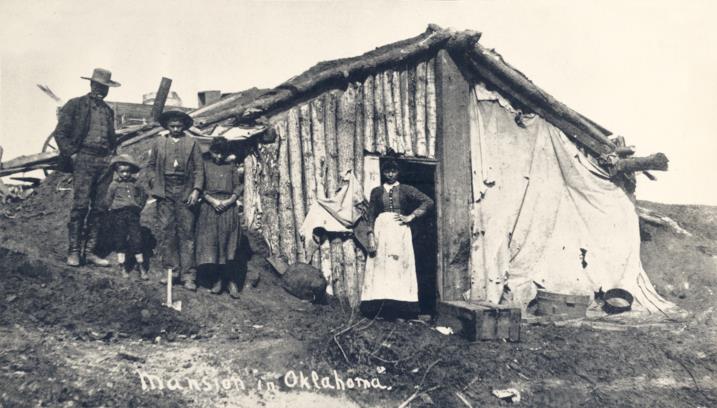
The following is part of an awareness campaign and a fundraiser for the museum.
By: ICT News
“Cherokee Nation Freedmen descendant and community liaison Melissa Payne shares the powerful story of Cherokee Freedmen — formerly enslaved people who became citizens of the Cherokee Nation through the 1866 Treaty, and whose history is finally being fully acknowledged. From a new exhibit at the Anna Mitchell Cultural Welcome Center in Oklahoma to a newly released task force report on the impact of slavery on Cherokee Nation, the tribe is confronting its dark chapters and embracing reconciliation under Chief Chuck Hoskin Jr.”
For more imformation see: ICT News
Also, see: Race, Sovereignty, and Civil Rights: Understanding the Cherokee Freedmen Controversy
Following is a transcript of the above video.
0:00 Welcome to Cherokee National History
0:02 Museum.
0:03 My name is Melissa Payne. I’m the
0:04 community liaison for Cherokee Nation
0:07 Freedman descendants. Cherokee Freedman
0:10 um and their descendants became a part
0:13 of the tribe in 1866. They got they
0:16 signed a treaty with the federal
0:17 government saying that they would give
0:20 full rights and citizenship to those
0:22 individuals that were once enslaved by
0:24 the Cherokee Nation. individuals that
0:26 were enslaved by Cherokee Nation, all
0:29 they knew um was the Cherokee way. So,
0:32 they’re being in these environments with
0:35 the culture of Cherokee Nation, learning
0:36 the way they spoke the language. Um they
0:39 even were interpreters at some point. um
0:42 they existed before the removal um
0:46 during the removal and after the removal
0:48 and so they were an extremely
0:52 vital to the Cherokee Nation and
0:54 rebuilding the nation once we got over
0:56 into Oklahoma. And so today we, you
1:01 know, we’ve we’ve we’ve come a long way,
1:03 but due to all of the rejection,
1:07 um, you’ve got a lot of trauma that
1:09 occurred within those individuals of
1:12Freeman descent. And we’re today we’re
1:16the Cherokee Nation is doing such a
1:17 phenomenal job trying to embrace or they
1:21 are embracing um the Cherokee Freeman
1:24 descendants fully and we’re trying to
1:28 shed light on those, you know, the
1:30 things that did occur, acknowledge the
1:33 um dark chapters in Cherokee Nation and
1:36 actually
1:38 connect with one another. This exhibit
1:42 was very moving. You’ll see different
1:44 things
1:46 that our ancestors endured. And you’ll
1:50 notice that some were happy, some were
1:52 great, and then you’ll see some where
1:54 they were enslaved. You can see the
1:56 where they sold some of the individuals.
1:59 I mean, it goes from all types of
2:01 emotions. But the experience was amazing
2:04 and I was truly grateful to be a part of
2:06 it. We sent out flyers to all all over
2:10 to ask for Cherokee citizens, freedman
2:13 descent, um to share their stories. And
2:16 so this exhibit is giving the
2:19 opportunity for our ancestors voices to
2:22 be heard through it. And so it’s an
2:26 amazing um exhibit and it is now in
2:29 Venita at the Anna Mitchell Cultural
2:32 Welcome Center. We’ve got um a report
2:35 that chief accumulated a task force. We
2:39 have a task force that got put together
2:41 um to look at the impact of slavery upon
2:45 the Cherokee Nation in the 19th century.
2:48 And so this report is now released and
2:51 so you can access it as well. and it
2:54 just shares a lot of information
2:57 um expressing different things that
3:00 occurred um and how we and how um
3:02 slavery impacted um the Cherokee
3:05 Nation’s economy. We have an amazing
3:08 chief in office right now. Um Chief
3:10 Chuck Hoskin Jr. has embraced the doing
3:15 what’s right, I mean in general. And
3:17 he’s he’s just moved forward with um you
3:20 know, equality within the Cherokee
3:22 Nation. it’s extremely important and so
3:26 he’s implemented different um things
3:28 that we have to you know implement
3:32 within the tribe and I’m grateful for
3:34 that and equality is important um he’s
3:37 speaks boldly about the history of the
3:40 Cherokee [clears throat]
3:41 Nation and not to discredit them or make
3:43 them feel bad but the only way you can
3:45 heal as a nation is by confronting those
3:48 dark chapters so that they’re not
3:50 repeated again and embracing ing one
3:53 another and moving forward is just it’s
3:55 a it’s the step of heal. It’s a step
3:57 towards healing within the nation. So,
4:00 we’re truly grateful to have um Chief
4:02 Hoskin in office and making these great
4:05 stands on what’s right. I was born and
4:08 raised in Fort Gibson, Oklahoma and
4:11 moved to Muscogee probably around my
4:13 teenage years and from then on between
4:17 the But
The above transcript is auto-generated by YouTube and may contain errors.